Supplies One 3 mL vial, U-100 insulin syringes, bacteriostatic water, alcohol swabs, sharps bin
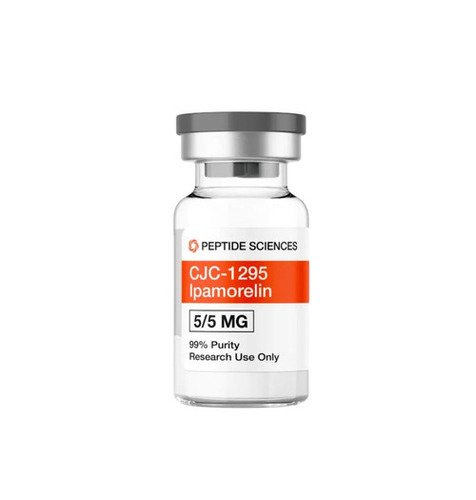
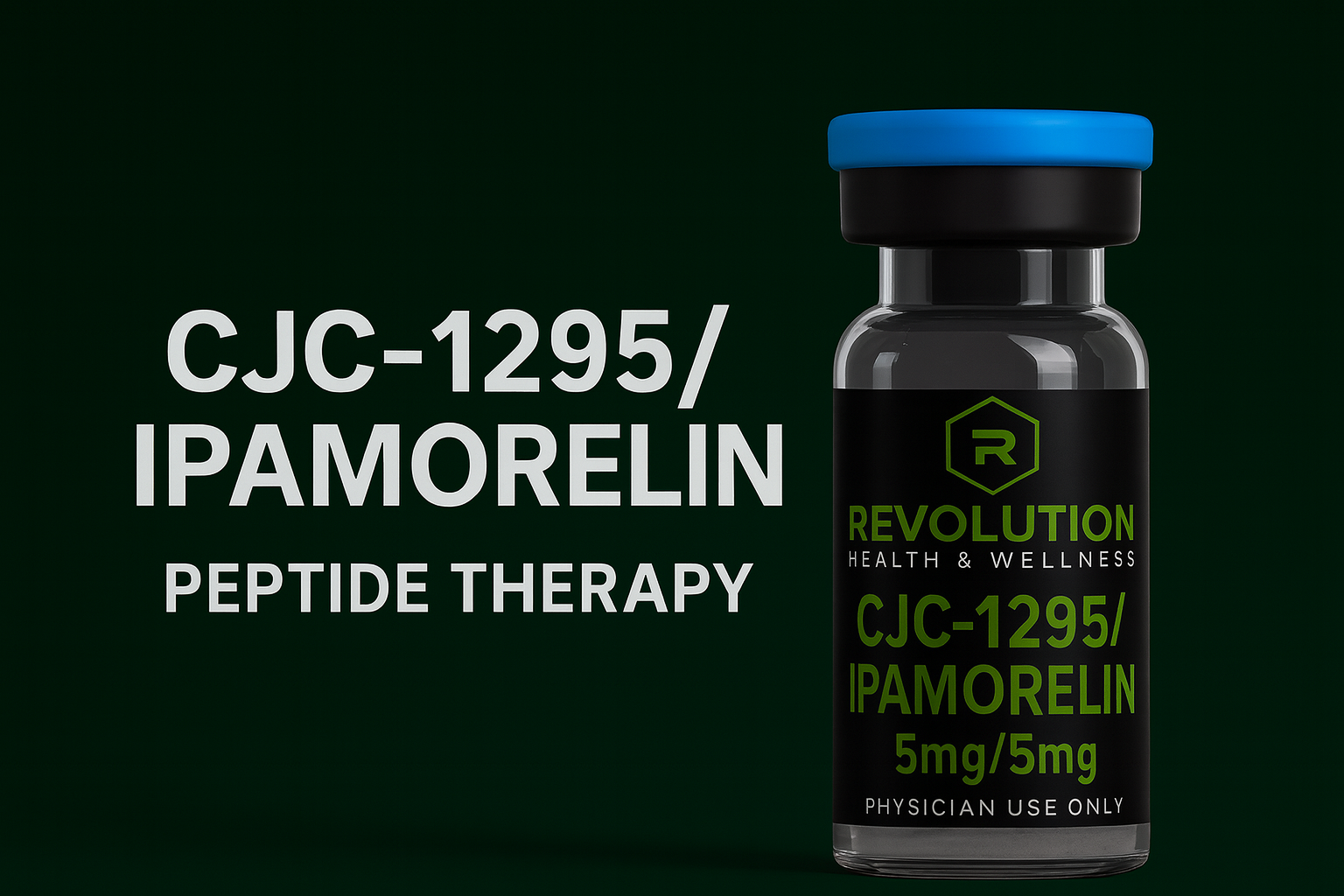
in vitro growth hormone secretion assays Cell lines Somatotroph cell cultures for mechanistic receptor studies Research Limitations & Regulatory Status Critical Gaps in Current Evidence Despite over two decades of preclinical investigation and limited early-phase human studies, the CJC-1295 (NO DAC) + Ipamorelin blend faces substantial evidence gaps that prevent clinical application: Lack of Human Clinical Data The most significant limitation is the absence of completed, peer-reviewed Phase III clinical trials: No FDA-approved indications for either peptide individually or in combination Phase II trials discontinued for CJC-1295 DAC following death of trial participant (though deemed unrelated by attending physician, development ceased as precautionary measure) Ipamorelin Phase II trials for postoperative ileus showed no significant efficacy versus placebo and were discontinued Long-term human safety profile completely unestablished beyond early-phase studies Optimal therapeutic dosing, treatment duration, and patient selection criteria unknown No published data on use in pediatric, geriatric, or medically complex populations Mechanistic Understanding Gaps Fundamental aspects of the peptide blends mechanisms require further elucidation: Disconnect between pharmacokinetics and pharmacodynamics peptides clear rapidly (hours) but effects persist for days
Growth hormone (somatropin) is a Class C controlled drug under the Misuse of Drugs Act 1971 and is listed in Schedule 4 Part II of the Misuse of Drugs Regulations 2001
The combination of training-induced mTOR activation plus IGF-1 LR3 may produce synergistic effects
On the other hand, lower glutathione levels can be associated with impaired immune cell activity
Every additional vial from a grey-market source is another contamination or purity risk