Pre-order our book, Signal: barbellmedicine.com/signal Timestamps 0:00 - Why your lifts aren't moving 1:52 - The novice / intermediate / advanced framework, three claims to test 13:23 - What 17 years of powerlifting data show about how long you keep getting stronger 32:28 - How getting stronger actually works (four systems on four clocks) 38:00 - What early growth is actually made of (the Damas 2016 deuterium study) 50:33 - The connective tissue lag and why early-training injuries happen 58:32 - Why heavy lifting works for bone density (and why "walk on a treadmill" advice misses) 1:05:10 - Why new lifters get hurt 3 to 10 times more than experienced lifters 1:12:56 - Fatigue is at least four different things (and most coaches treat it as one) 1:26:19 - The CNS fatigue myth (and what the data actually says) 1:33:52 - When the bar isn't moving: how to actually diagnose a stall 1:45:51 - Takeaways and next week's tease: leptin and low testosterone What we cover - The novice / intermediate / advanced framework: three claims and why each one fails the data test - The 17-year IPF strength curve and what the no-kink finding does and does not establish (Latella 2024) - The four adaptive systems and their separate timescales (neural, muscle, connective tissue, bone) - What early growth actually is, including the deuterium-oxide finding that most week-3 size is fluid (Damas 2016) - Why connective tissue lags muscle by six to eight weeks, and why that produces patellar tendinopathy four months in - The 9.5 vs 0.74 to 3.3 injury rate gap between novice and experienced CrossFit participants - The CNS fatigue myth and the Skarabot 2018 finding that locates the fatigue in the muscle, not the brain - Why the LIFTMOR trial result (heavy lifting for bone density in women in their 60s and 70s) is being missed by primary care - A practical decision tree for stalls: environment first, then load, then program - Tease for next week: leptin, the HPG axis, and the metabolic driver of low testosterone almost nobody connects Resources Training Plateau Action Plan (free): Progressive Loading article series: Beyond Progressive Overload (Part 2 article): BBM Programs and Coaching: Support our work on barbellmedicine.supercast.com Latella C et al

Understanding Peptide Fragility: A Look Inside BPC-157 To grasp why refrigeration is so vital, you first need to appreciate what a peptide is
As tcnicas manuais de aplicao so realizadas por via parenteral, sendo as mais utilizadas na intradermoterapia ou mesoterapia a intradrmica, subcutnea e intramuscular, lembrando que a aplicao intramuscular no considerada uma tcnica mesoterpica, uma vez que Pistor relata que a tcnica consiste em injees intradrmicas ou subcutneas de um frmaco ou de uma mistura de vrios produtos denominado, melnge ou mesclas
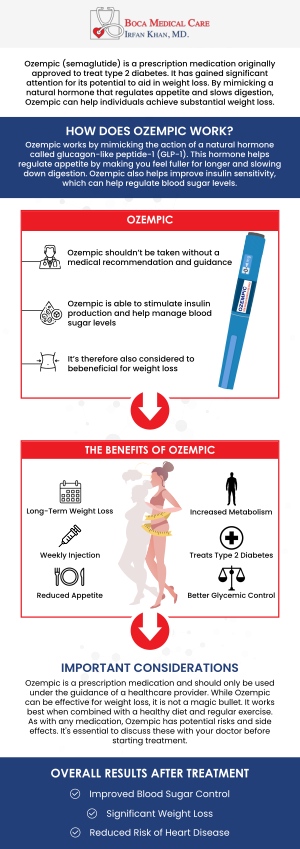
Both medications mimic the GLP-1 hormone to regulate blood sugar and appetite
GLP-1 receptor agonists like semaglutide work by slowing gastric emptying and signaling fullness to your brainbut the time you inject can influence how well these effects align with your eating patterns
doi: 10.1111/j.1476-5381.2011.01687.x 57 MllerTDFinanBBloomSRD'AlessioDDruckerDJFlattPRet al