The molecular stability of lipid-tailed GLP-1RAs, such as liraglutide and semaglutide, allows them to achieve active concentrations of 180350 pmol/L, while non-acylated agents like exenatide yield slightly lower levels (~ 50 pmol/L)
The SUSTAIN-6 trial showed cardiovascular benefit, which expanded the label in 2020

unclear human risk) Contraindications: Personal or family history of medullary thyroid cancer Multiple endocrine neoplasia syndrome type 2 Severe gastrointestinal disease GLP-2 Safety Profile Common Side Effects: Injection site reactions Headache Abdominal pain or distension Nausea Serious but Rare: Intestinal obstruction Gallbladder and bile duct issues Fluid overload Contraindications: Active gastrointestinal malignancy Known hypersensitivity to the medication General Safety Recommendations Always use pharmaceutical-grade peptides from reputable sources Start with lower doses and increase gradually Monitor for side effects closely Stay well-hydrated Maintain regular medical check-ups Report any concerning symptoms immediately Find the GLP right for you While GLP-1, GLP-2, and GLP-3 all originate from the same proglucagon precursor, they serve vastly different functions in your body: GLP-1 is your metabolic master regulator, controlling blood sugar, appetite, and weight while protecting your heart and potentially your brain
[DOI] [PubMed] [Google Scholar] 48.Baggio LL, et al
How do SSRIs (antidepressants) treat binge eating disorder
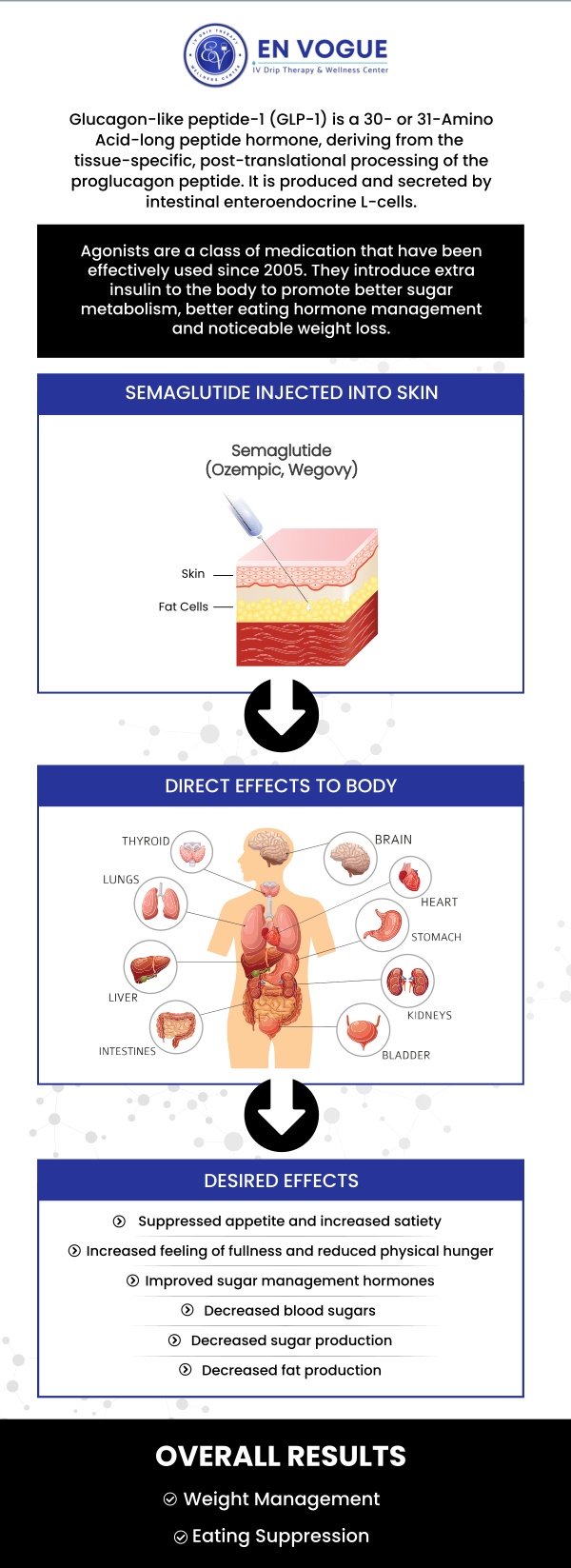
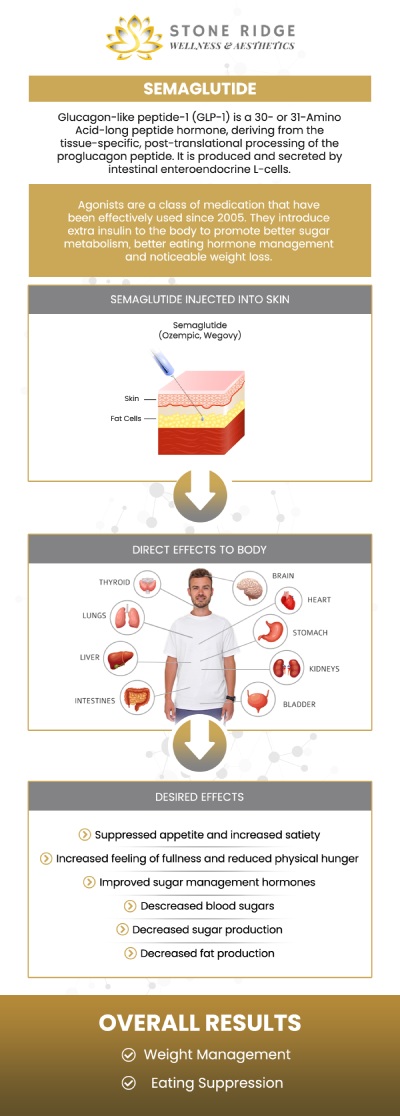
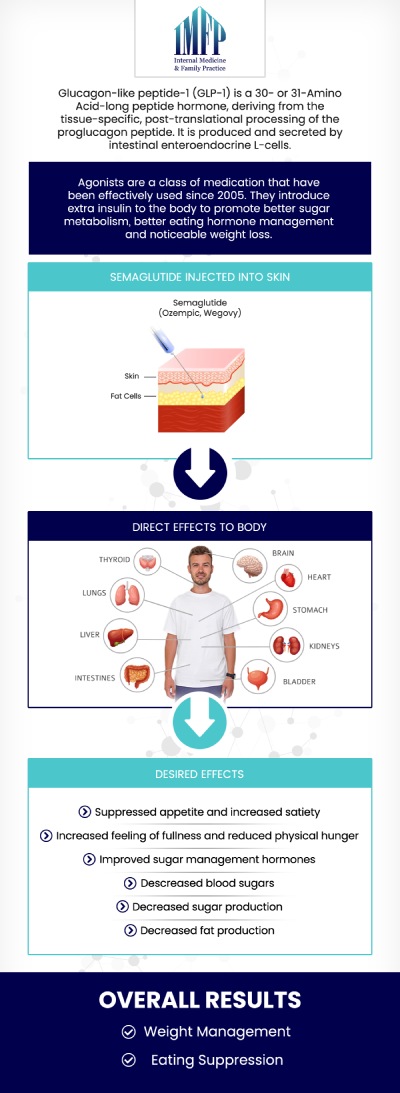
5 Pharmacological effects of GIP, GLP-1 and their mimetics The pharmacological benefits of GIP, GLP-1, and their synthetic mimetics arise from their pleiotropic effects, encompassing at least five key functions: bolstering insulin secretion and survival of pancreatic -cells and modulating glucagon release by the pancreatic -cells in response to glycemic levels, acting on the satiety center in brain, slowing gastric emptying, regulating lipid and glucose metabolism through effects on adipose tissue and liver, and reducing systemic blood pressure