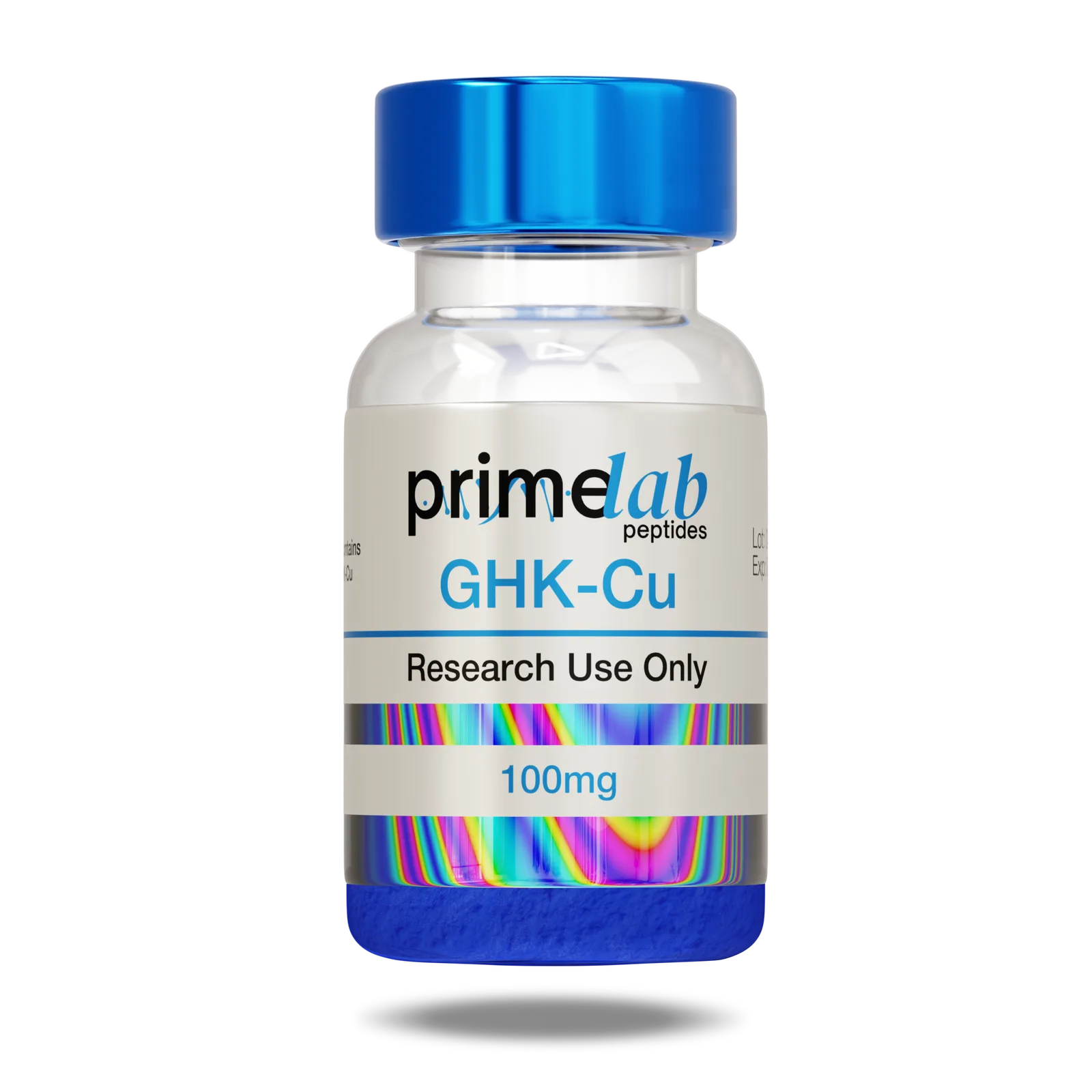
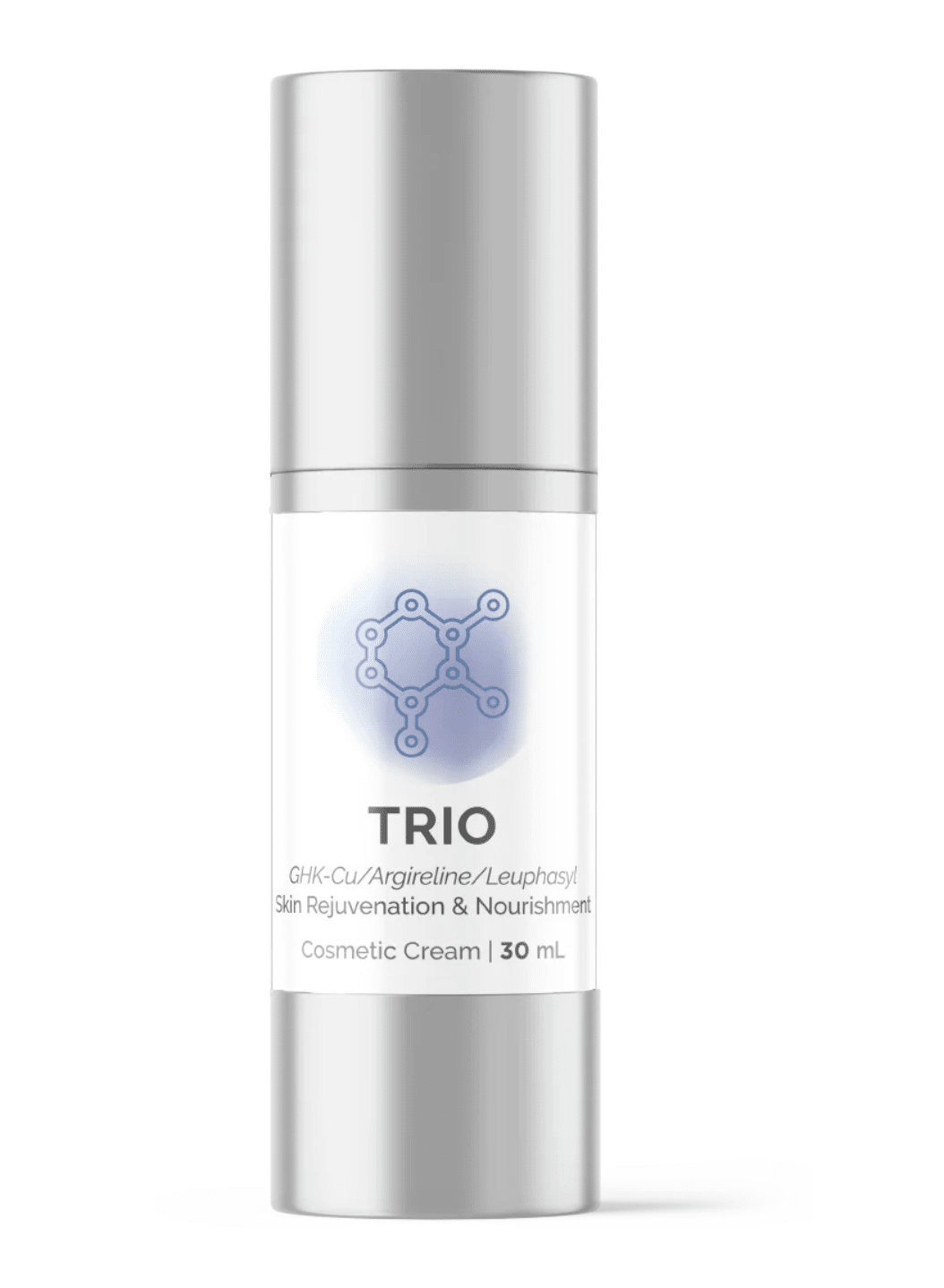
GHK-CU is generally water-soluble and reconstitutes readily in aqueous solvents
And while there is some evidence that peptides may be helpful, there is a gap between the goals of peptide stacking and the available evidence that supports these benefits
Figure 4 represented the true enzymatic rate obtained by subtracting the nonenzymatic rate from the total rate (non-enzymatic and enzymatic) at different concentrations of MBB
Although human studies havent caught up yet, early rat studies suggest it might support brain tissue recovery and protect nerve cells after trauma
This 2025 comparison details the mechanisms of action, priority tissue targets, typical research protocols, published preclinical and clinical studies, and above all: why and how the two peptides are frequently stacked rather than used in monotherapy
GHK-Cu (Copper Tripeptide Complex) Sequence: Gly-His-LysCu Molecular Weight: 340.38 Da Purity: 99% (HPLC) Form: Lyophilized powder Storage: -20C For in vitro and analytical use only