Medications and Medical Management Medications used to control rheumatoid arthritis fall into two categories: Those that relieve symptoms Those that can modify the course of the disease (DMARDs), which are usually managed by a rheumatologist Often, symptom relief medications and DMARDs are used together to decrease the doses of the stronger drugs, as well as to supplement the treatment plan during flare-ups of rheumatoid arthritis
It helps dissolve the dead skin cells in the top layer of your skin
High-dose vitamin C may raise urinary oxalate (extra caution with kidney disease or G6PD deficiency)
Synergism of antioxidant action of vitamins E, C and quercetin is related to formation of molecular associations in biomembranes
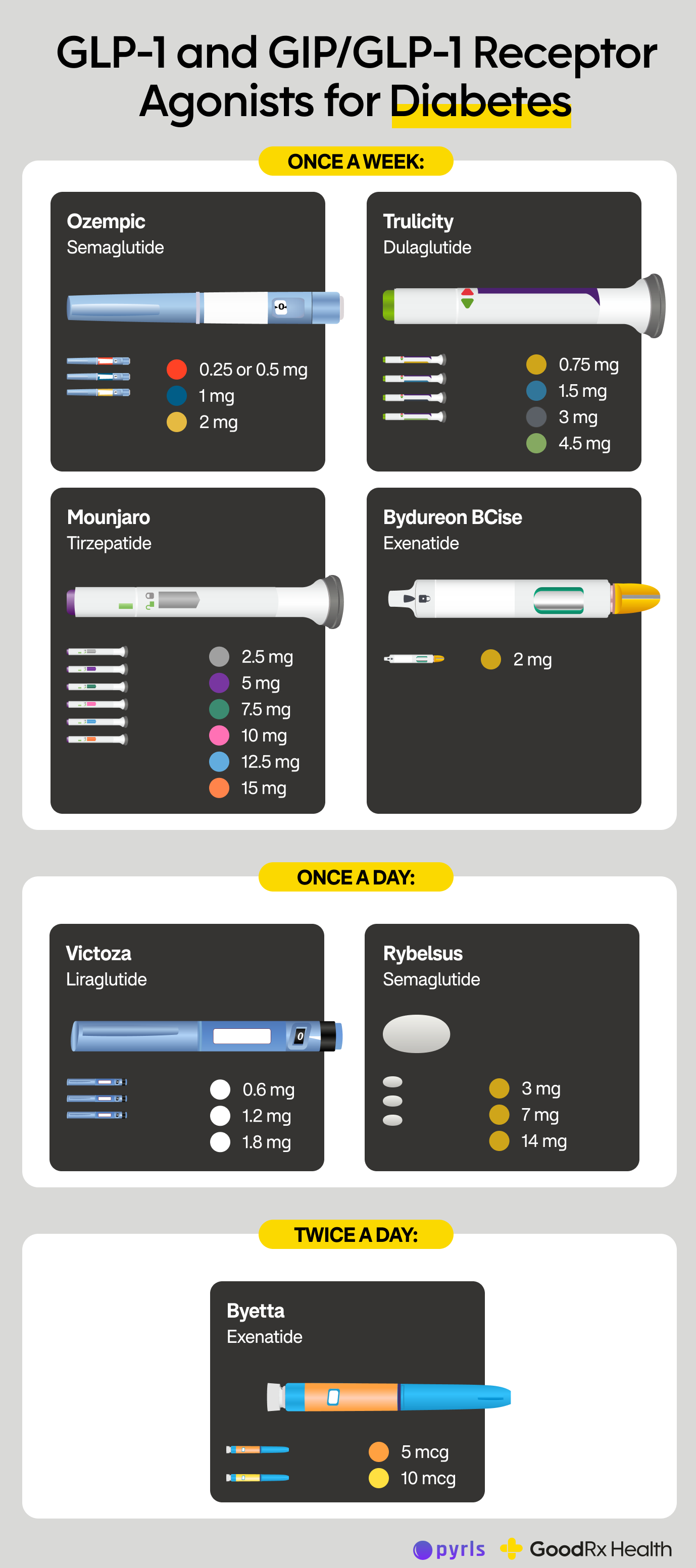
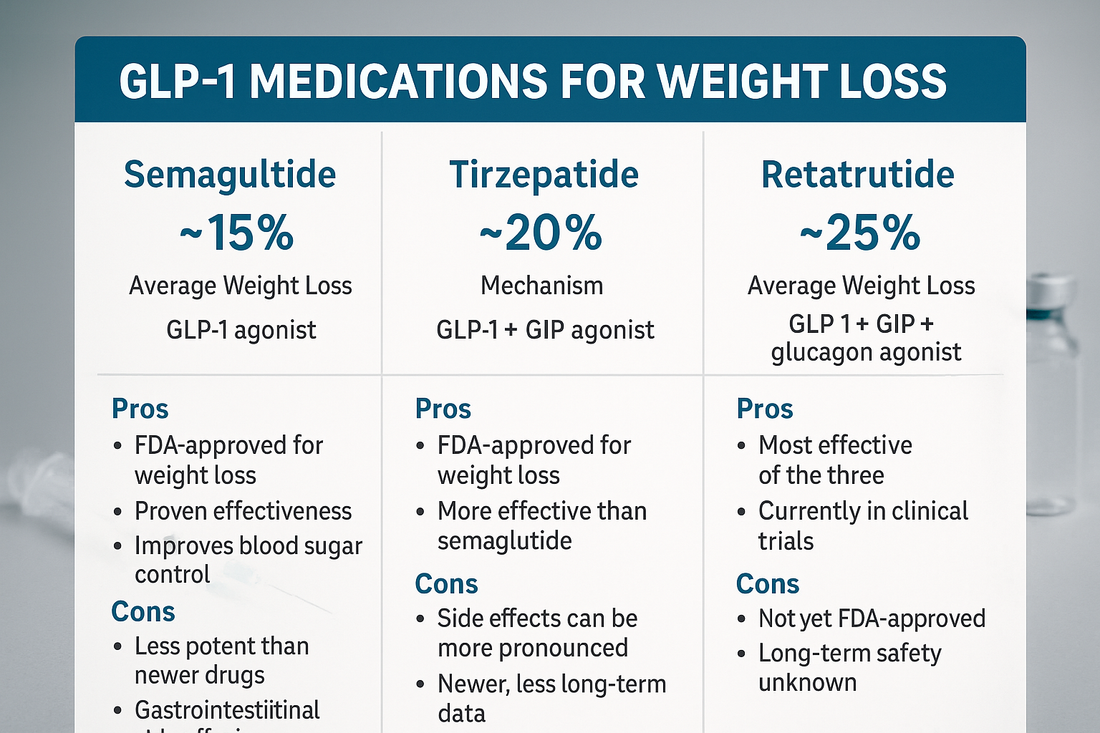
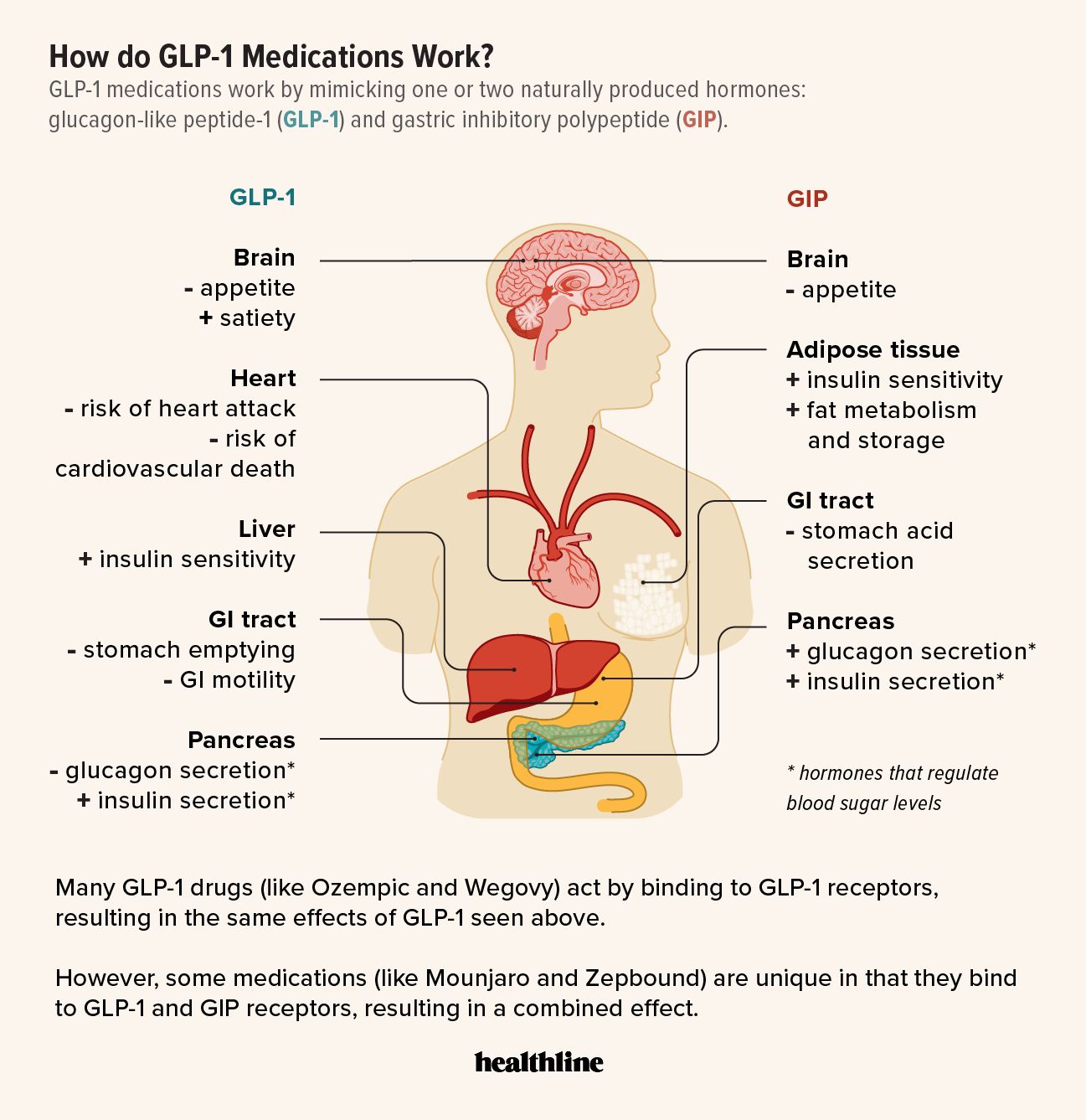
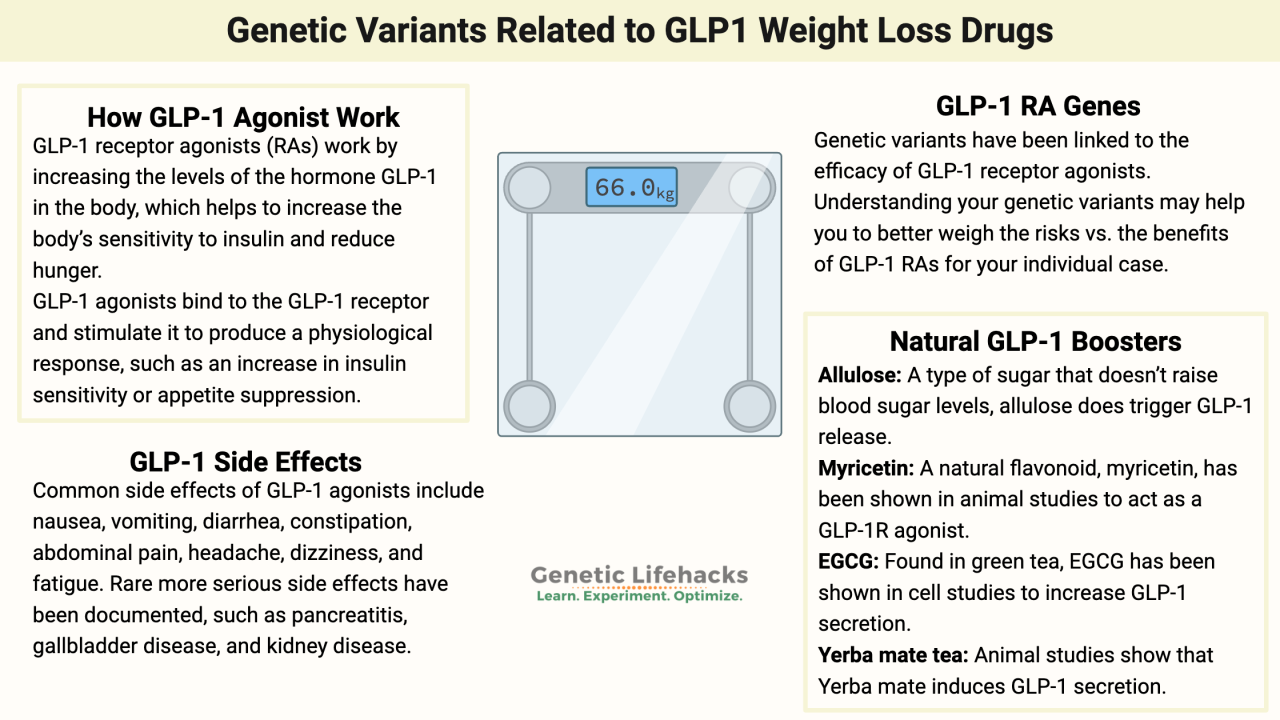
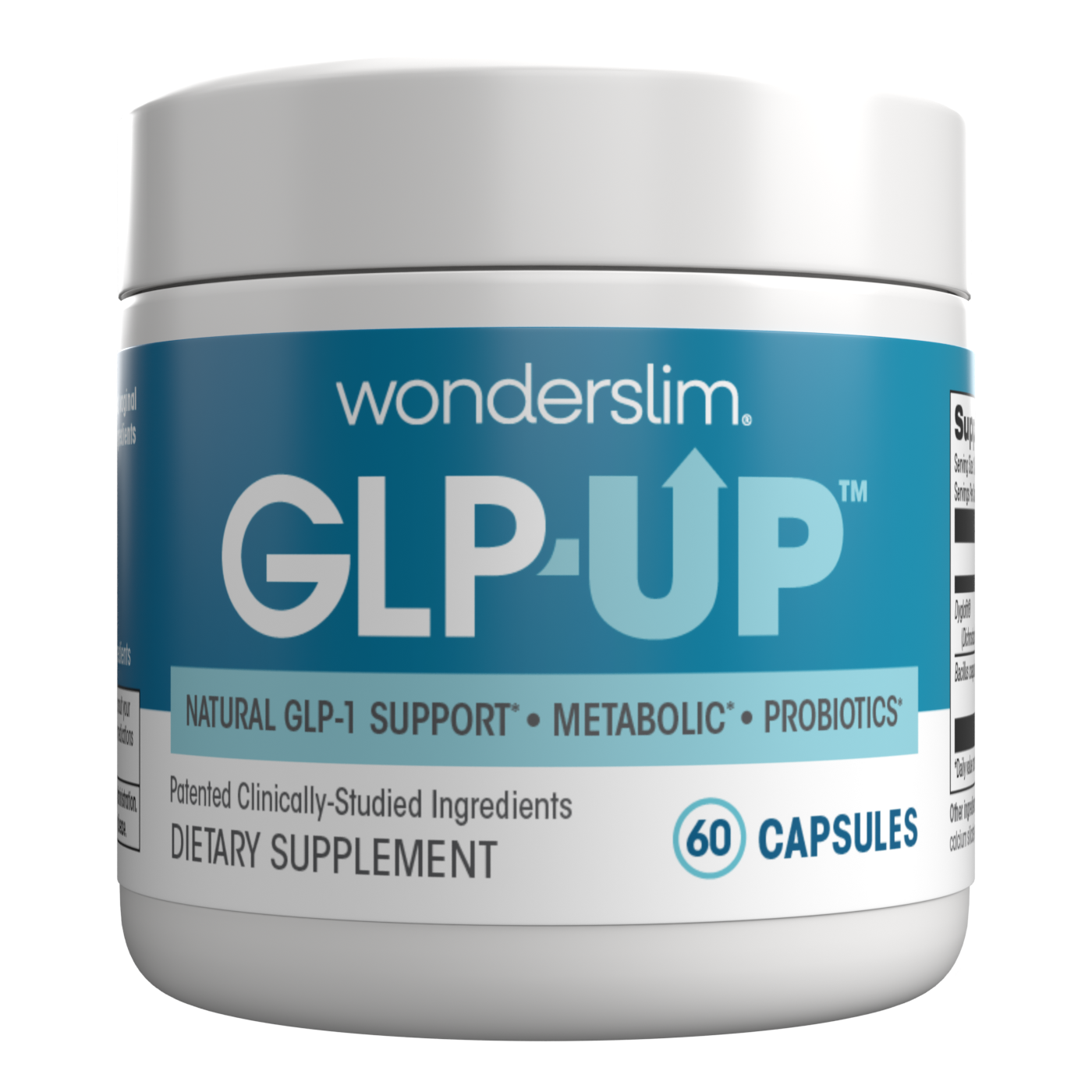
You still have to nourish your body with enough fuel and the right fuels to perform." Shannon Christen, Registered Dietitian, UCHealth Success with GLP-1 medications often calls for expert guidance
(Source 9, 10) Other medications that may affect glutathione include: NSAIDs (nonsteroidal anti-inflammatory drugs) like Aspirin Immunosuppressants Chemotherapy drugs Oral contraceptives Bottom line: When taking medication, always check with your doctor or pharmacist before starting a new supplement to ensure there aren't any interactions and it's safe to take