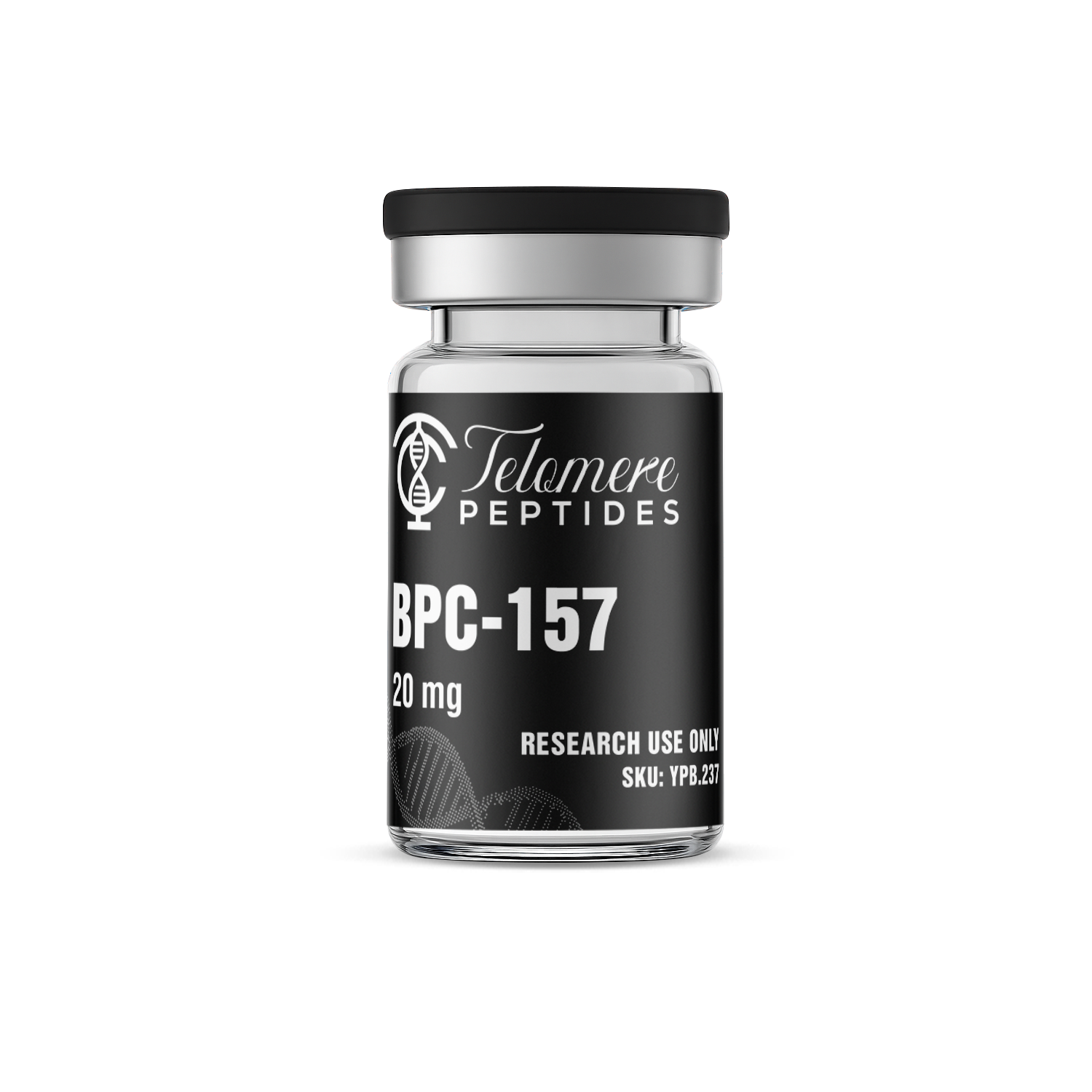
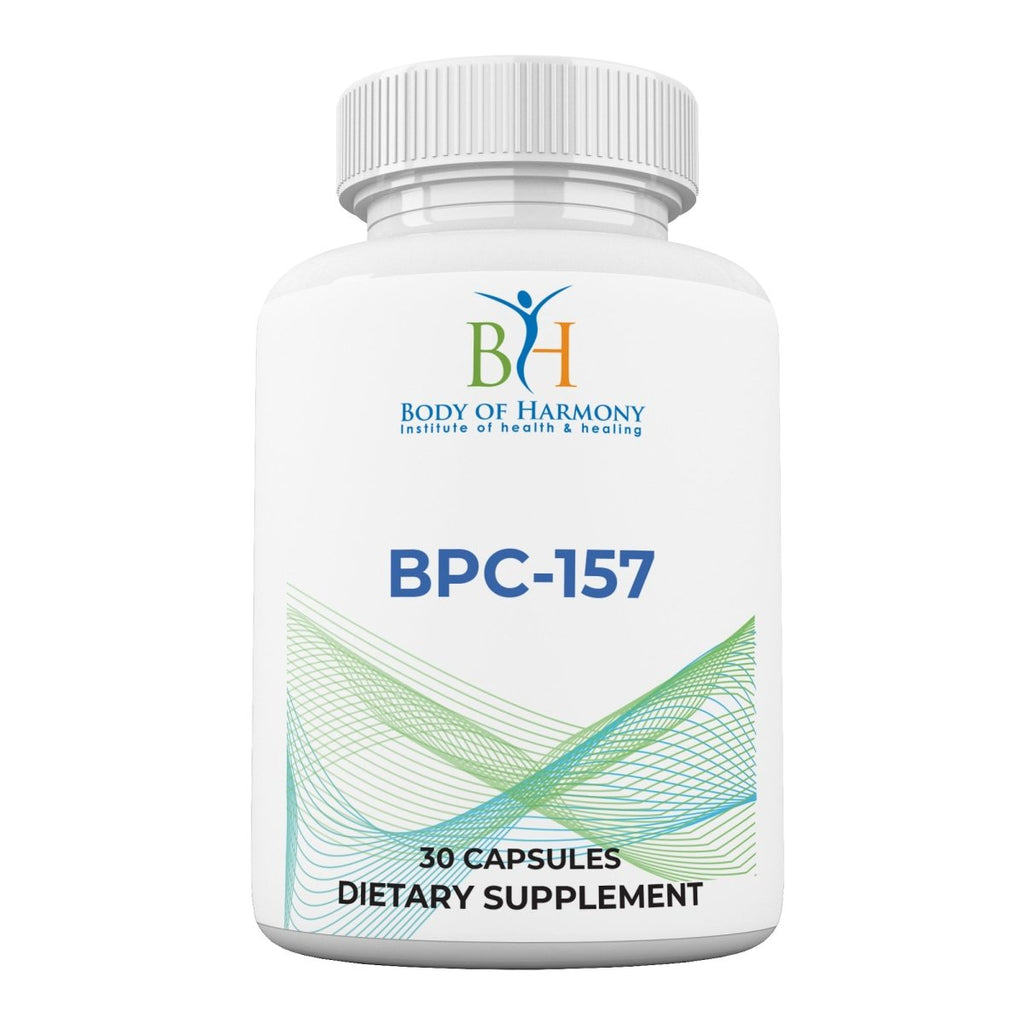
In research communities, these peptides are often discussed as complementary rather than directly competitive because: GHK-Cu is often chosen for collagen, skin, scar, and cosmetic tissue remodeling goals BPC-157 is often chosen for tendon, ligament, joint, muscle, and deeper recovery goals For that reason, many researchers discussing GHK-Cu vs BPC-157 eventually decide the better question is not which one is better, but which one better matches the tissue target? If you are building a broader research setup, you may also want to browse our research peptide collection for compatible inventory planning
Kiel J, Kaiser K
The good news is that most hangovers do go away on their own within 24 hours
BPC-157 provides local healing support, particularly beneficial for specific injury sites
AA: Investigation, Writing review & editing
This is because injections of TB4 into the hearts of mice (both injured and uninjured) basically kick-started repair processes and made the epicardium (the outermost layer of the heart) behave as it does in embryonic development